


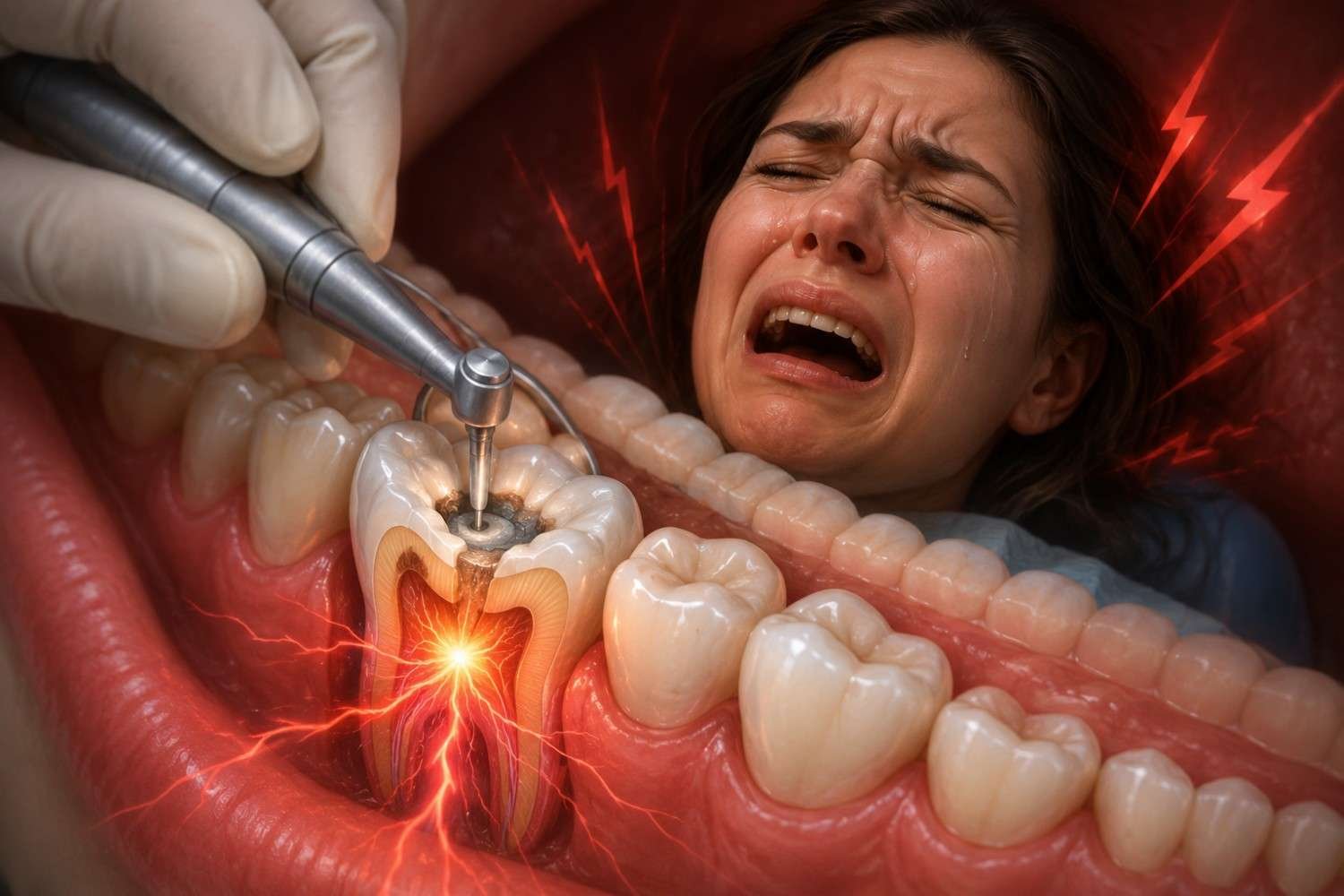
This is probably the most common question patients ask before sitting in the dental chair, and the honest answer is: no, a dental filling should not be painful. At Sweet Tooth Dental Care, one of the most trusted dental clinics in Naranpura, Ahmedabad, we use modern local anesthesia techniques that make the procedure quick and comfortable for almost everyone. You might feel some pressure or vibration during the process, but real pain is rare.
In this guide, I will walk you through everything from why fillings are needed and which type suits you best, to what happens step by step, and how to take care of your tooth afterward.
Why Do You Need a Dental Filling?
A dental filling is used to repair damage inside or on the surface of a tooth. The most common reasons include:
- Tooth decay (cavities) bacteria produce acid that slowly eats through your enamel
- Small chips or cracks to restore the tooth’s natural shape and strength
- Worn-out old fillings to replace them before they cause further damage
The goal is simple: stop decay from spreading, protect the tooth, and help you chew comfortably again.
Types of Dental Fillings Which One Is Right for You?
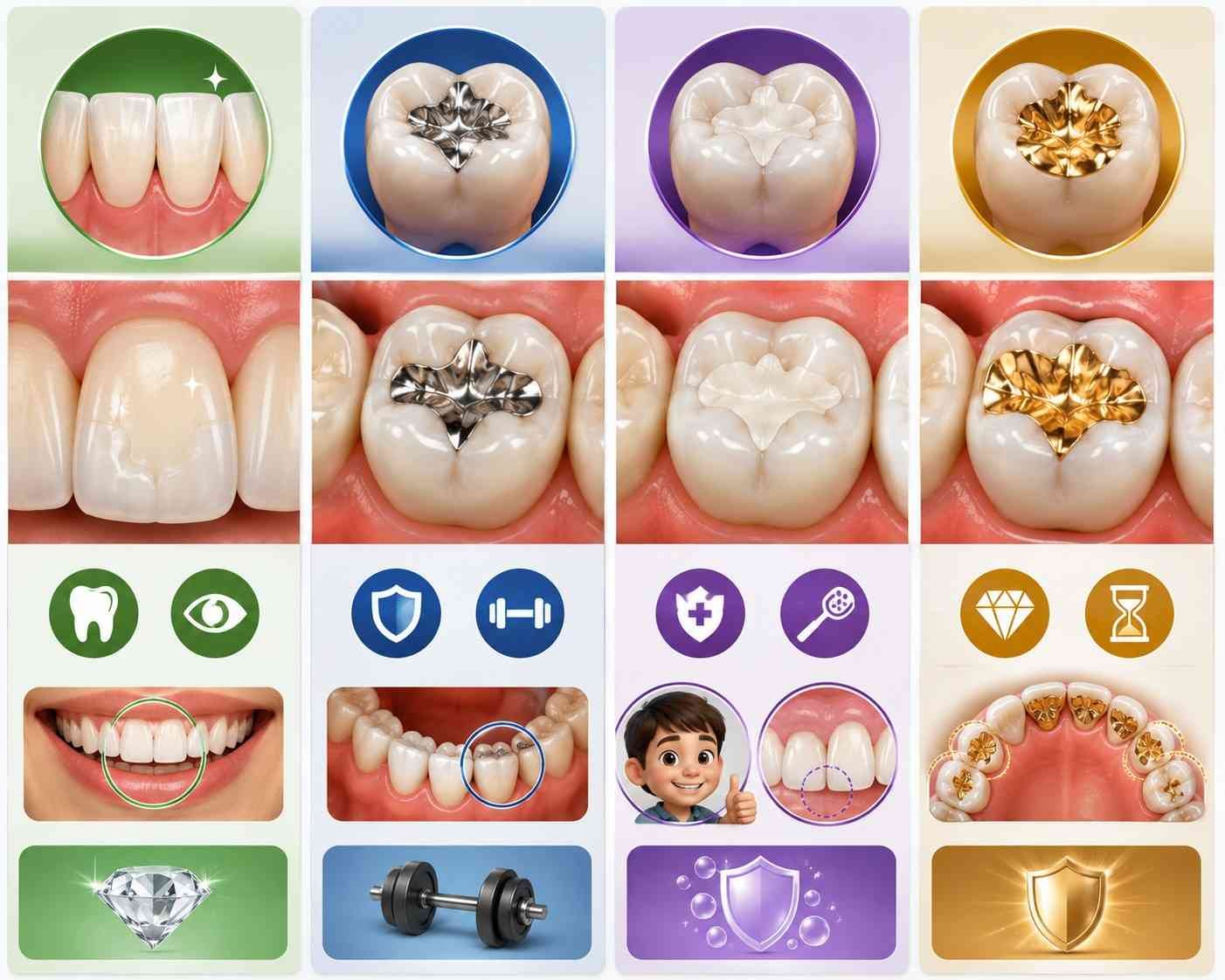
Not all fillings look or feel the same. Here is a quick comparison of the most common materials
| Type | What It’s Made Of | Pros | How Long It Lasts |
|---|---|---|---|
| Composite Resin (tooth-colored) | Plastic + glass/ceramic particles | Looks natural, matches your tooth color | 5–7 years |
| Amalgam (silver) | Silver, tin, copper, mercury | Very strong, affordable, great for back teeth | 10–15+ years |
| Ceramic (porcelain) | Porcelain | Stain-resistant, looks natural, durable | 15+ years |
| Gold | Pure gold alloy | Extremely long-lasting, gentle on teeth | 20+ years |
| Glass Ionomer | Glass + acrylic | Releases fluoride (protects against decay), good for kids | <5 years |
At Sweet Tooth Dental Care, all of these options are available. During your consultation, Dr. Charmi Patanvadiya will recommend the best material based on where the cavity is, your age, and your chewing habits.
Step-by-Step: What Happens During a Dental Filling?
Knowing exactly what to expect makes the experience far less stressful. Here is what happens from start to finish:
Step 1: Numbing the Area The dentist applies a local anesthetic to completely numb the tooth and surrounding gum. You may feel a small sting from the injection but after that, you should feel nothing.
Step 2: Removing the Decay Once you are fully numb, the dentist removes the decayed portion of the tooth using a small drill or instrument. You will feel pressure or vibration, but no pain.
Step 3: Cleaning and Preparing The cavity is thoroughly cleaned and shaped to hold the filling material properly.
Step 4: Placing the Filling The chosen material is placed into the prepared area and shaped to match the natural curve of your tooth.
Step 5: Hardening (Composite Fillings Only) If a tooth-colored composite filling is used, a special blue light is applied to harden it instantly.
Step 6: Polishing and Bite Check The dentist polishes the filling and checks that your bite feels natural and comfortable.
The total procedure time is usually 20 to 40 minutes per tooth.
What to Expect After Your Filling?
During the procedure: No pain due to the anesthetic. You may hear the drill and feel vibration, but it will not hurt.
After the procedure (first 24–48 hours):
- Numbness lasts 2–4 hours do not eat until it wears off completely
- Mild sensitivity to hot, cold, or sweet foods for a few days this is normal
- Slight soreness in the gum near the tooth
- An uneven bite, if it feels off, call us and we will adjust it the same day
Most patients feel completely back to normal within one to two days.
Are Amalgam (Silver) Fillings Safe?
Yes, leading health bodies like the ADA and FDA consider amalgam fillings safe for most adults. However, they do contain a small amount of mercury. The following groups are advised to avoid amalgam fillings:
- Pregnant or breastfeeding women
- Children under 6 years of age
- People with neurological conditions such as Alzheimer’s or Parkinson’s disease
- Those with known kidney issues or metal sensitivities
One important note: if you already have a stable amalgam filling, do not rush to remove it. The removal process itself can temporarily increase mercury exposure. Always consult your dentist before making that decision.
How Long Do Dental Fillings Last?
The lifespan of a filling depends largely on the material used and how well you care for your teeth. Composite fillings typically last 5 to 7 years, amalgam fillings last 10 to 15 years or more, ceramic fillings can last 15 years, and gold fillings are the most durable at 20 or more years.
To extend the life of any filling, brush twice daily, floss every day, and avoid biting down on hard objects like ice or pens. Regular checkups at our Ahmedabad clinic help us catch any wear or gaps before they turn into bigger problems.
Learning about your options for root canal treatment cost in Ahmedabad can also help you plan if a filling is no longer enough to save a tooth.
What Can You Eat After Filling?
Wait until the numbness has completely worn off (usually 1 to 3 hours) before eating. Otherwise, you risk accidentally biting your cheek, lip, or tongue.
- Composite fillings: You can eat normally once the numbness goes away
- Amalgam fillings: Avoid chewing on that side for up to 24 hours
- First 2 days: Stick to soft foods, yogurt, soup, mashed potatoes, eggs, banana
- Avoid: Hard, sticky, or very sugary foods during the initial recovery period
About Our Approach to Sweet Tooth Dental Care
At Sweet Tooth Dental Care in Naranpura, we understand that dental anxiety is real. Many patients come to us having put off treatment for months, sometimes years, out of fear of pain. Our entire team is trained to make every procedure as calm and comfortable as possible.
If you would like to understand the full range of dental treatments available, you can explore our complete guide to dental treatments in Ahmedabad for a detailed overview.
If you have any questions or concerns before your appointment, feel free to WhatsApp us. We are happy to answer before you even step through the door.
Book Your Appointment Today
Consult Dr. Charmi Patanvadiya for expert dental implant care in Ahmedabad.
Frequently Asked Questions
Q: Can a filling be done without drilling?
A: In some cases, yes. For very small or early cavities, air abrasion or laser dentistry can remove decay without a traditional drill and may not require anesthesia. Ask us during your consultation if this applies to your case.
Q: Is it safe to get a filling during pregnancy?
A: Yes, fillings are safe during pregnancy. We simply avoid amalgam and use composite or glass ionomer instead. Always let us know if you are pregnant before the procedure.
Q: What is the difference between a filling and a crown?
A: A filling repairs a small-to-medium cavity or chip, while a crown covers the entire tooth. Crowns are used for severe damage, large cavities, or after a root canal when a filling alone is not enough to protect the tooth.
Q: Why does my tooth still hurt a week after the filling?
A: Mild sensitivity for a few days is normal. If pain continues beyond 7 to 10 days or gets worse, please contact us. Deep decay may have reached the tooth’s nerve, and a root canal may be needed.
Q: My filling feels rough Is that normal?
A: No. A new filling should feel completely smooth. Come back to the clinic, and we will polish it at no extra charge.