

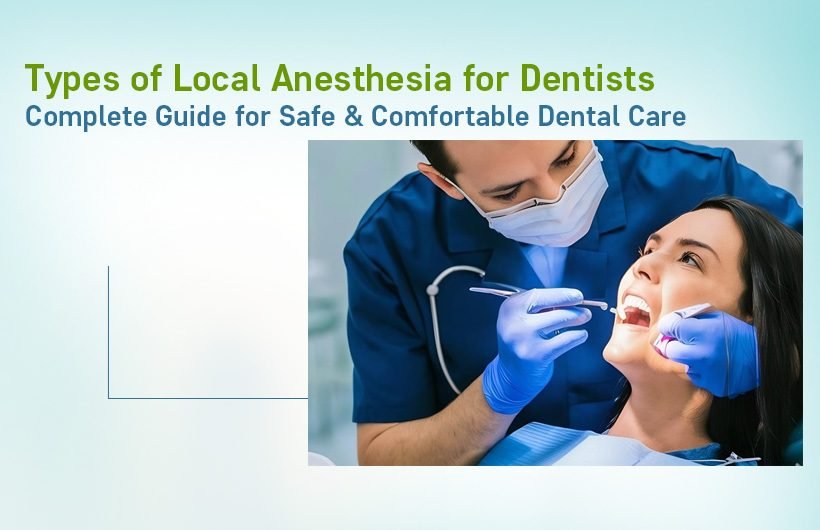
Visiting a dentist can often cause anxiety, especially due to fears of pain or discomfort. However, advances in modern dentistry have significantly reduced these concerns. One of the key reasons dental treatments are now more comfortable is the use of local anaesthesia. It helps numb specific areas of the mouth, allowing procedures to be performed safely and with minimal pain. This introduction explains the role of dental anaesthesia, how it works, and why it is essential for a stress-free dental experience at a trusted Dental Clinic in Ahmedabad.
Today’s dental professionals focus not only on effective treatment but also on patient comfort. Understanding that many individuals feel nervous about injections or dental procedures, clinics now follow gentle techniques and carefully selected anaesthesia methods. Whether you need a routine filling, root canal treatment, or tooth extraction, the right approach to pain management ensures you remain relaxed and confident throughout your visit to a reliable Dental Clinic.
What Is Local Anesthesia and Why Is It Used in Dentistry?
If you are struggling with dental anxiety, understanding how local anesthesia works can help ease your fear. Local anesthesia is a commonly used medication that numbs a specific area of the mouth during dental treatments. Unlike general anesthesia, it does not make you unconscious; instead, it allows you to remain fully awake while preventing pain. By temporarily blocking the nerve signals that transmit pain to the brain, local anesthesia ensures a comfortable and stress-free dental experience. This approach enables dentists to carry out procedures smoothly while helping anxious patients feel calm, relaxed, and pain-free.
Why Local Anesthesia Is Important
- Pain Prevention: The main purpose is to block pain during dental treatments.
- Patient Comfort: It reduces stress, especially for patients with dental anxiety.
- Precision and Safety: It allows the dentist to work accurately without sudden movements caused by pain.
- Faster Recovery: Since only a small area is numbed, recovery is quicker compared to general anesthesia.
Local anesthesia is used in many dental procedures, including:
- Cavity fillings
- Tooth extractions
- Root canal treatment
- Gum surgery
- Crown or bridge placements
At Sweet Tooth Dental Clinic, patients are informed about what type of anesthesia will be used and why, helping to reduce fear and increase trust in the process.
What Are the Common Types of Local Anesthesia Used by Dentists?
Dentists use several types of local anesthesia depending on the procedure, the area being treated, and the patient’s comfort level. Here are the most common ones:
1) Topical Anesthesia
Topical anesthesia is the mildest form. It is usually applied directly to the surface of the gums or inside of the cheek before an injection. It comes in the form of gel, cream, spray, or ointment.
When is it used?
- To numb the surface area before giving an injection
- During minor procedures like cleaning inflamed gums
- To relieve discomfort from braces or dentures
How does it work?
Topical anesthetics numb only the surface tissues. You might feel a tingling or mild freezing sensation for a short time. It is not strong enough to numb deep areas, but it lessens the sting of the needle when the dentist administers other anesthetics.
Dr. Charmi Patanvadia often uses topical anesthesia first to make patients more relaxed and comfortable before the next step.
2) Infiltration Anesthesia
Infiltration anesthesia is one of the most used forms of local anesthesia in dentistry. It involves injecting the anesthetic solution directly into the tissue near the treatment area. This type works well for controlling pain in smaller areas, such as individual teeth.
When is it used?
- Filling cavities
- Simple tooth extractions
- Treating a single tooth
How does it work?
The anesthetic is injected near the nerve endings in the gums. The numbing effect happens quickly, usually within minutes, and lasts long enough to complete the dental procedure.
In many routine treatments at Sweet Tooth Dental Clinic, infiltration anesthesia is enough to keep the patient pain-free and relaxed.
3) Nerve Block Anesthesia
Nerve block anesthesia is used when a larger area needs to be numbed, such as several teeth or a whole section of the mouth. Instead of numbing only the tissue near the tooth, the anesthetic is injected near a major nerve that supplies sensation to a wider area.
When is it used?
- Lower jaw treatments (mandibular nerve block)
- Complex extractions
- Root canal treatments on molars
How does it work?
The anesthetic targets a nerve trunk farther away from the treatment site. Once the nerve is numbed, all the tissues connected to it become sensation-free for the duration of the procedure.
For example, a mandibular nerve block can numb an entire side of the lower jaw, making it ideal for extensive treatments in that region.
4) Intraligamentary and Intraosseous Anesthesia
These are more specialised techniques that dentists use in specific cases:
Intraligamentary anesthesia:
This is injected directly into the periodontal ligament around the tooth. It’s often used when regular injections do not provide complete numbness.
Intraosseous anesthesia:
In this method, the anesthetic is injected directly into the bone near the tooth. This technique provides quick and profound numbness but requires extra training to perform correctly.
These options are especially useful when standard techniques do not work, such as in cases of severe infections or dense bones.
Is Local Anesthesia Safe? What Should Patients Know?
Yes, local anesthesia is generally very safe for most dental patients. Dentists are trained to assess medical history, allergies, and current medications before choosing the right anesthesia type. However, like all medical treatments, there are a few common questions patients may have:
Will I Feel Pain During the Injection?
With the use of topical anesthesia, most patients feel little to no pain when the needle is inserted. The initial sensation might feel like pressure, but not pain.
How Long Does the Numbness Last?
The numbness usually lasts from 1 to 3 hours, depending on the type of anesthetic used. Your tongue, lips, and cheek may feel numb for a while afterwards, so be careful not to bite yourself until full feeling returns.
Are There Side Effects?
Most side effects are mild and temporary:
- Numbness
- Slight swelling at the injection site
- Mild bruising
Serious reactions are rare. Dentists take medical histories and take precautions to prevent allergic reactions or complications.
Can Children Receive Local Anesthesia?
Yes. Children often receive local anesthesia for dental work. Pediatric dentists use child-friendly techniques and explanations to reduce fear. Discuss any concerns with your dentist beforehand so they can plan the best approach.
At Sweet Tooth Dental Clinic, your comfort and safety are always the top priority. Dr. Charmi Patanvadia ensures all patients are informed about what to expect and how to care for themselves after anesthesia.
How Does Local Anesthesia Help Make Dental Care Comfortable?
Local anesthesia transforms dental care by:
Eliminating pain during treatment
Reducing anxiety associated with dental procedures
Allowing precise dental work with minimal discomfort
Helping patients of all ages stay comfortable
Knowing that anesthesia will prevent pain often makes patients more relaxed and willing to seek necessary dental care. With modern techniques, going to the dentist doesn’t need to be scary.
Conclusion
Understanding the different types of dental anaesthesia can help you feel calm and well-prepared before your next appointment. Whether you are visiting a Dentist in Ahmedabad for a routine filling or a more advanced dental procedure, local anaesthesia is used to ensure maximum comfort and a pain-free experience. Techniques such as topical aesthetic gels and precise nerve blocks allow dentists to customize anaesthesia based on your treatment needs and comfort level.
At Sweet Tooth Dental Clinic, an experienced Dentist in Ahmedabad follows safe and proven anaesthesia practices to ensure every procedure is smooth and stress-free. If you have any questions or concerns about dental anaesthesia before your visit, discussing them openly with your dentist can help reduce anxiety and build confidence. Your comfort, safety, and peace of mind are always the top priority throughout your dental care journey.